Introduction
Camping under a blanket of stars is a magical experience that intertwines nature's beauty with the vastness of the universe. For stargazers, there’s https://telegra.ph/Exploring-Nature-Safely-Essential-Safety-Features-in-Mens-Hiking-Boots-12-01 nothing quite like lying back on a cool night, gazing up at the celestial wonders that have captivated humanity for millennia. Whether you're an avid hiker looking for camping destinations to explore or simply someone seeking solace in nature, this guide will equip you with everything you need for unforgettable astronomy nights under the stars.
Astronomy Nights Under the Stars: A Camping Guide for Stargazers
Stargazing isn’t merely about looking up; it’s about immersing yourself in an experience. It requires preparation, knowledge of your surroundings, and a bit of adventure spirit. This guide delves into the essentials for making your stargazing camping trip not only enjoyable but enlightening.
Selecting the Perfect Camping Destination
Choosing the right location is paramount. Here are some tips to ensure you find a spot conducive to stargazing:
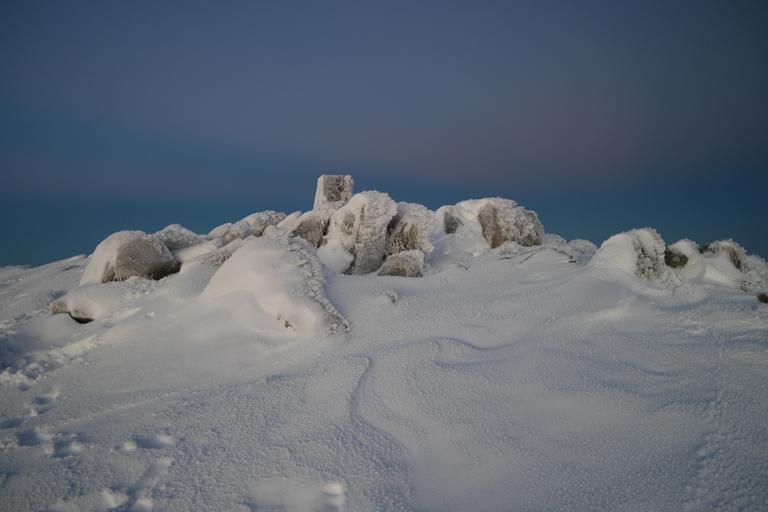
- Dark Skies: Opt for areas away from city lights. National parks and remote wilderness areas often provide dark skies ideal for observing constellations. Elevation: Higher altitudes can offer clearer views as they reduce atmospheric interference. Accessibility: Consider how far you're willing to hike to reach your chosen site. Some stunning spots may require rugged trekking.
Best Camping Tents for Stargazing
When it comes to choosing tents, consider whether you prefer four-season tents or innovative hot tents designed to keep you warm during chilly nights under the stars.
Four-Season Tents
These tents are built to withstand harsh weather conditions, making them great choices if you're camping in colder months or regions prone to inclement weather.
Innovative Hot Tents
For those who enjoy winter camping and want warmth while still enjoying stargazing, innovative hot tents equipped with wood stoves can create a cozy atmosphere.

Outdoor Essentials for Stargazing Campouts
Having the right gear can elevate your experience significantly. Here’s what you shouldn’t forget:
Star Maps: Familiarize yourself with constellations using star maps or apps designed for stargazers. Binoculars or Telescopes: Enhance your view of distant celestial bodies. Comfortable Sleeping Gear: Invest in quality sleeping bags and pads designed for outdoor survival. Portable Camping Gear: Pack lightweight equipment that’s easy to transport.Camping Tips for Stargazers
To maximize your enjoyment while camping and stargazing:
- Timing Your Trip: Plan your visit around new moons when the sky is darkest. Weather Considerations: Check forecasts beforehand; clear skies are essential. Campfire Safety: Keep fires contained and be cautious with flammable materials during dry seasons.
Family Camping Tips While Stargazing
Camping with kids offers unique challenges and rewards:
Engage Them in Astronomy: Teach kids about constellations by telling stories associated with them. Plan Family-Friendly Activities: Include nature walks or scavenger hunts during daylight hours.Photography in Nature During Stargazing Trips
Capturing moments under the stars can be thrilling but requires specific techniques:
- Use long exposure settings on your camera to capture more light from distant stars. Consider bringing lightweight tripods for stability during shots.
Outdoor Cooking Essentials for Your Trip
Cooking outdoors adds another layer of fun! Here are some recommendations:
Camping Recipes: Bring along simple recipes that require minimal ingredients but deliver maximum flavor after a day of hiking. Gear Finds: Look out for compact cooking gear such as portable stoves and multi-functional utensils.FAQs
1. What is the best time of year for astronomy nights?
The best times are generally late spring through early autumn when nights are long and skies are clear, but winter camping can also offer stunning views under less humidity.
2. How do I choose a good campsite?
Look for areas designated as dark sky reserves or national parks known for stellar visibility away from urban light pollution.
3. What gear should I bring specifically for stargazing?
A good telescope or binoculars, star maps or apps, comfortable blankets or sleeping bags, and warm clothing layers are essential gear finds.
4. Are there safety concerns when camping under the stars?
Always practice campfire safety, stay aware of wildlife (especially at dusk), and bring first aid supplies just in case.
5. Can I camp with my family while focusing on stargazing?
Absolutely! Engaging kids through storytelling about constellations makes it educational while still being entertaining.
6. How can I combine hiking with my stargazing trip?
Choose destinations where hiking trails lead to elevated points perfect for viewing; plan hikes during daylight hours so you're ready by nightfall!
Conclusion
Embarking on an astronomy night adventure combines multiple passions—hiking, camping, and exploring our vast universe—into one exhilarating experience that reconnects us with nature and sparks curiosity about our place within it all. As you prepare your gear and map out potential sites, remember that every starry night holds its own stories waiting to be discovered, shared, and cherished beneath a canopy of twinkling lights.
So pack up those innovative hot tents, grab your trail maps, prepare some delicious camping recipes over an open fire, and get ready to immerse yourself in one of life’s most awe-inspiring activities—stargazing!